

5-Card Friday
A Bi-Weekly Update from the ITS UX Team
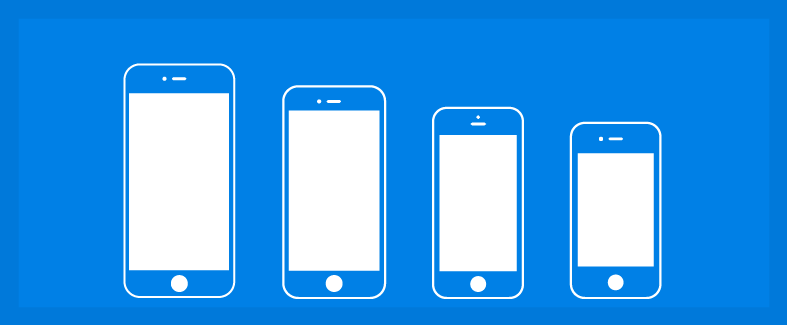
Mobile UX Design: Key Principles
Good UI design is user-centric. Users install your app because they need to solve a problem. Designers should think about the problem their users will try to accomplish using the app, focus on their key goals and remove all obstacles from their way.
Flip the card over to learn more.
Mobile UX Design: Key Principles
The most important thing to keep in mind when designing a mobile app is to make sure it is both useful and intuitive. If the app is not useful, it has no real value for user and no one has any reason to use it. If app is useful but requires a lot of time and effort, people won’t bother learning how to use it.
Read Full Article
Great Alternatives to Hamburger Menus
Hamburger menus drive engagement down, slow down exploration and confuse people. If you are reading this, it won’t confuse you, but it damn will confuse others who might be happy to consume your content.
Flip the card over to learn more.
Great Alternatives to Hamburger Menus
This is a much debated topic and while designers, developers mostly agree on when it is a good idea to use a navigational drawer and when not there are still a lot of mobile apps that rely on this pattern. It usually boils down to the fact that there is no place to put navigation on a small screen, because it lacks a well thought out information architecture or just because of the sheer amount of content.
Always design with real content, otherwise you’ll end up with placeholders, lorem ipsums and hamburger menus inside hamburger menus. Content on its own doesn’t make sense, and layouts without content either.
Read Full Article
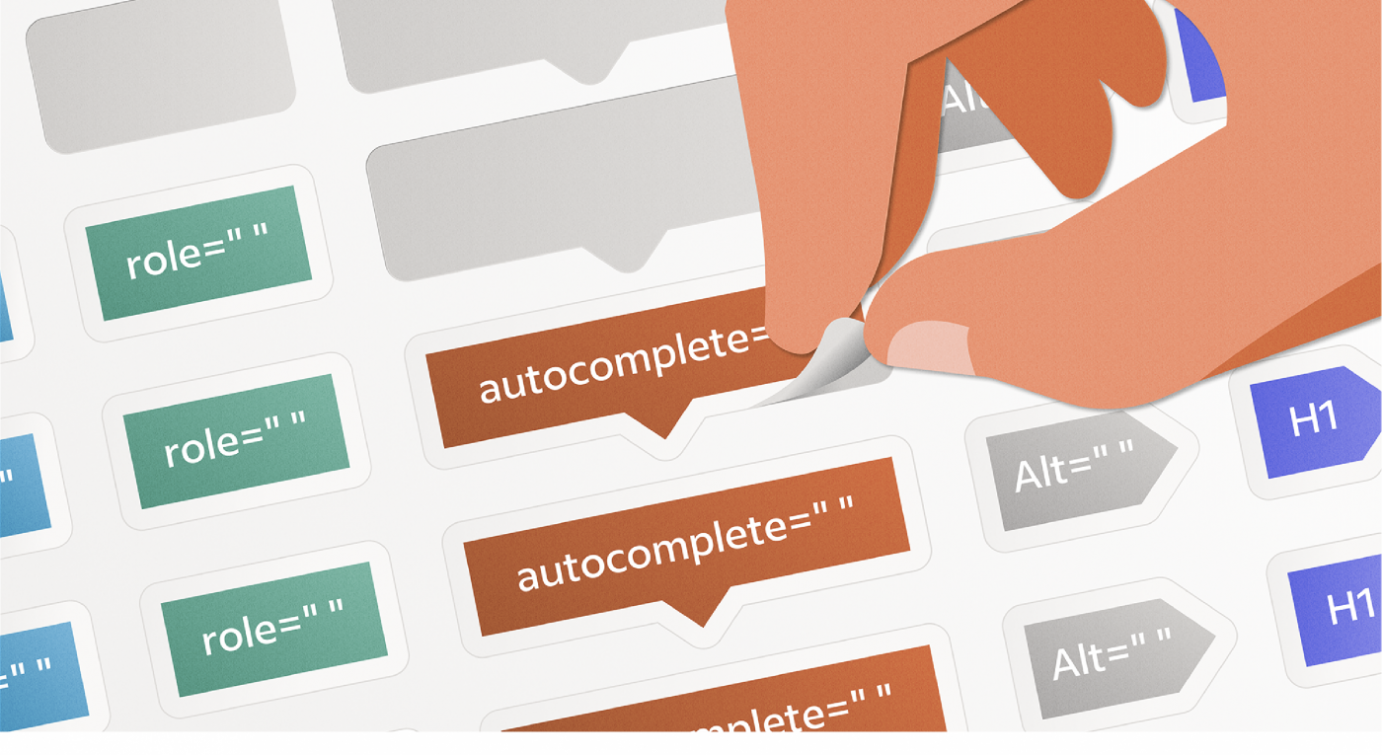
Building an Accessibility Library
While we uncovered a lot of issues, we found that many of them were simple contrast violations or other visual and interaction bugs introduced by designers. It was easy to fix many of these issues, but we realized that we needed to widen the knowledge set of our designers to help them avoid making the same mistakes in the future. Over time, the cost to remediate these small bugs can increase exponentially.
Flip the card over to learn more.
Building an Accessibility Library
While having tools like an annotation library helps speed things along for designers and developers, creating tools, practices, and processes with an accessibility-first mindset has a far-reaching impact beyond getting a product to market faster. We’re spending less time and money remediating issues by avoiding them in the first place. The more we consider accessibility while we design, the more we challenge our assumptions and examine our biases, making us not just better designers but better allies. Design requires empathy, and designing for accessibility allows designers to work that muscle even more. The earlier we start thinking about accessibility issues, and the more conversations we have about accessibility, the more we begin to make it a normal part of our practice.
Read Full Article

Onboarding: Best Move for User Retention in Mobile Apps
A few years ago we used mobile devices for social media, music, and gaming only. Now all our daily errands can be fully moved to the digital space. Booking flights and checking in hotels, getting uber and ordering food, paying our bills, and managing finances – we can do everything on our smartphones.
We see the mobile app industry grow each year with a drastic 46% increase in the number of downloaded apps in the last 3 years, reaching 204 billion downloads in 2019.
Although people are eager to download and try new mobile apps, just a few of those manage to stay on smartphones without getting deleted.
Flip the card over to learn more.
Onboarding: Best Move for User Retention in Mobile Apps
Hence, the question is “Why are people quick to download and try new apps, but rarely use them after the first session?”
One of the causes of dropping or deleting apps is the lack of clear communication of the value propositions. The users are not fully aware of the app benefits and reasons and ways to use it.
Your app’s page on Apple Store or Google Play might be good enough to persuade people to try it out, but the app itself needs to convince people that it’s worth using.
Read Full Article

Assumptions about Users to Banish from your Brain Forever
We all make assumptions. It is a very human, natural thing to do, and it helps us navigate our day-to-day life. Each day, we assume our alarms will go off, that we will get off work at a certain time of day, and that we’ll eat dinner later that night. These assumptions might be proven wrong, but there isn’t a day where we don’t make them.
This is all well and good for the motions of daily life. But when it comes to engaging with and learning about your users, your assumptions can ruin your research. Your assumptions about your users, the product you’re building or improving for them, and what the problem is and how to solve it are in your human nature. To engage with users in a way that will help you create something they can actually use, you’ll have to do a very un-human thing and clear your mind of all assumptions.
Flip the card over to learn more.
Assumptions about Users to Banish from your Brain Forever
Your assumptions will cripple the success of your digital product. Approach your users with a mind free of assumptions and then take the resulting input with a grain of expert salt. When you remove your worldview from the picture, you make it all about taking in what your users reveal with an open mind. That one change in perspective will boost your success for every decision you make going forward, enough for everyone to notice — your team, your boss, your CEO, and especially your users.
Read Full Article